From Design and Teaching to Real Estate Development: My Decade in Architecture
Qiwei's reflection on a decade in architecture, from education and design practice to teaching and real estate development.
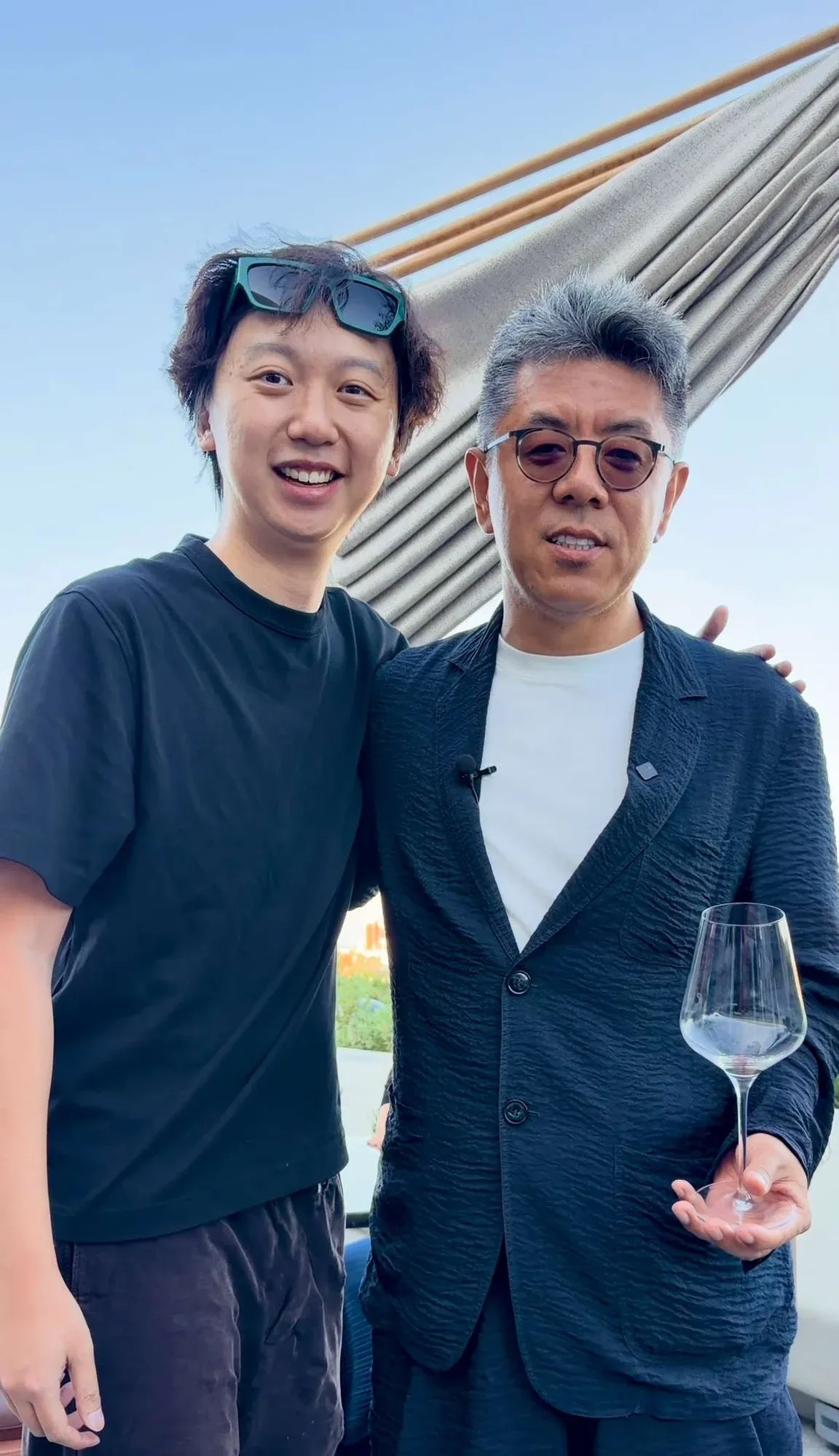
Qiwei | BUCEA · Berkeley · SOM · APLACE
One afternoon ten years ago, I received a phone call from MAD.
The person on the other end told me that I had been selected for that year’s MAD Travel Fellowship.
There were ten recipients that year, representing architecture schools around the world, including Yale, Tsinghua, and Princeton.
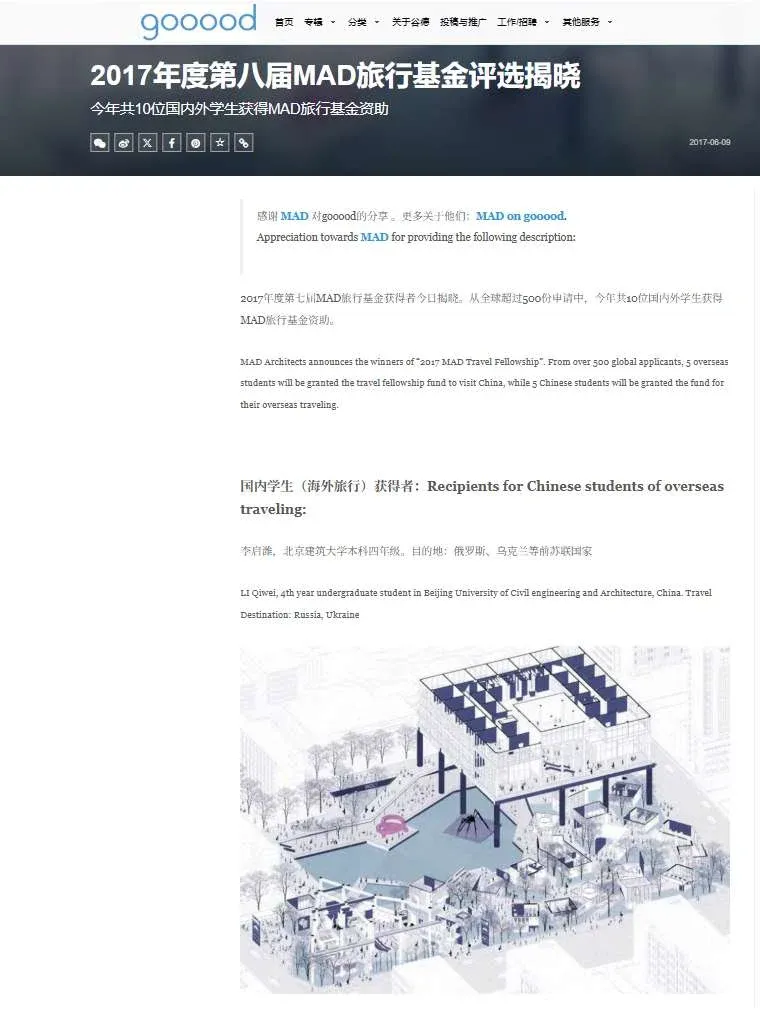
Not long afterward, I saw my name in architecture publications in China and abroad, including ArchDaily, Archinect, and gooood.
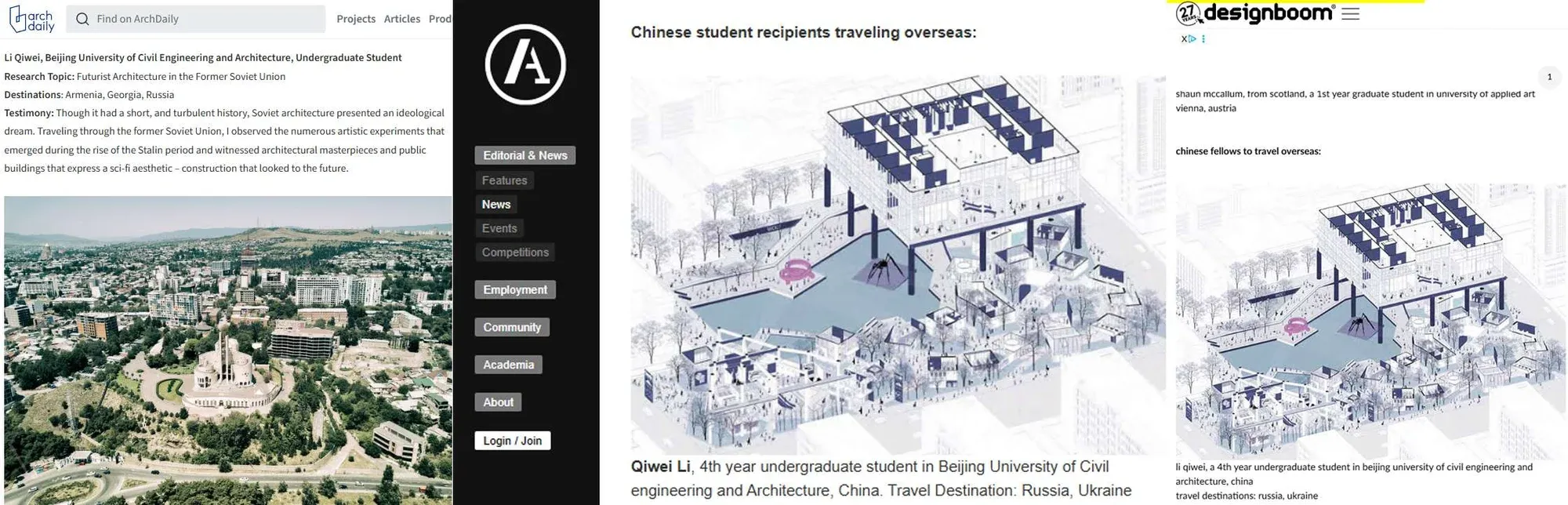
At the time, it was the first experience that made me feel:
Architecture could take a person’s world very, very far.
Ten years later, MAD completed the Lucas Museum of Narrative Art in Los Angeles.
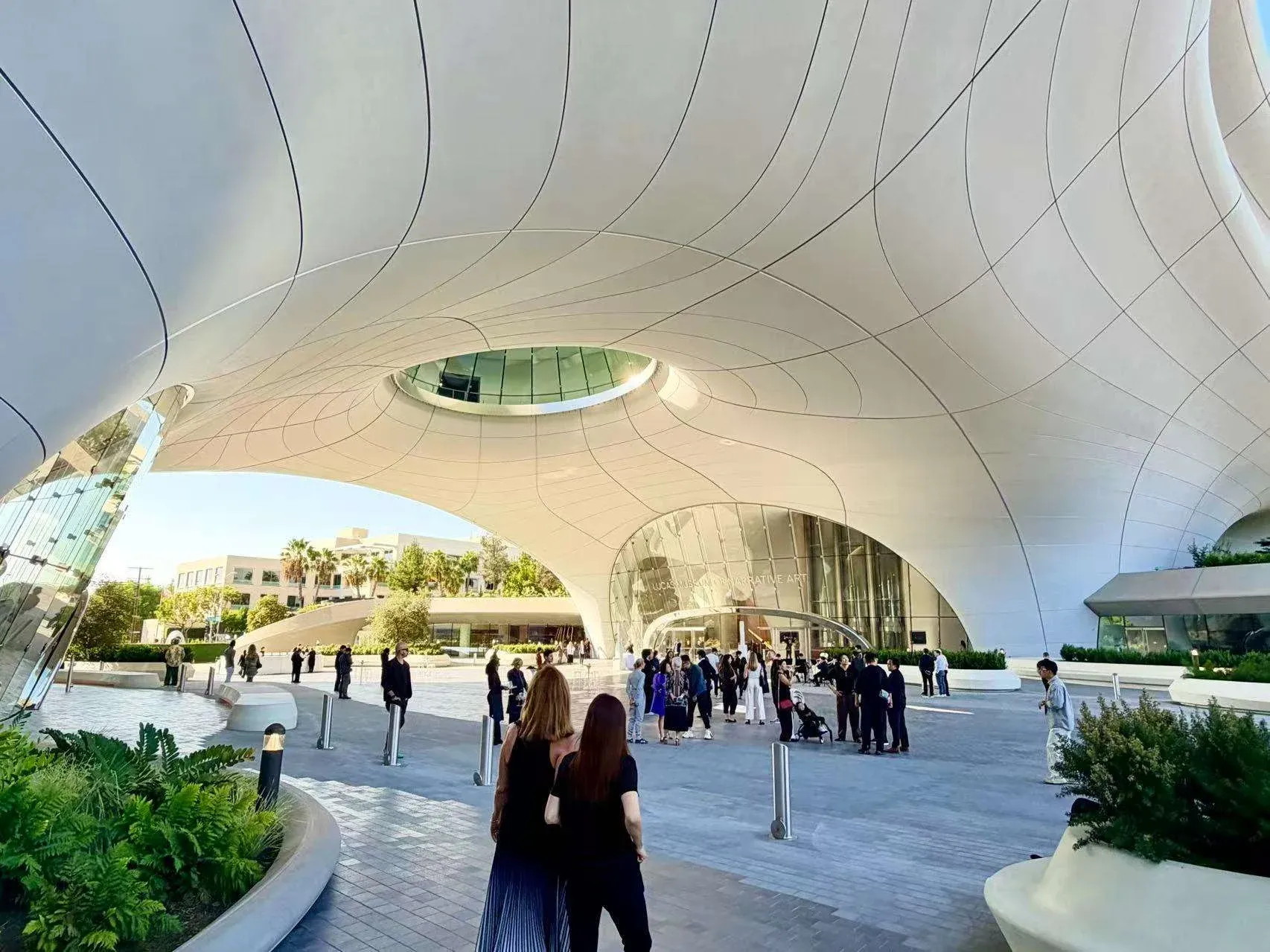
The day before its official opening, I was invited to attend MAD Day inside the museum, where I met Ma, friends from MAD, and many accomplished senior colleagues.
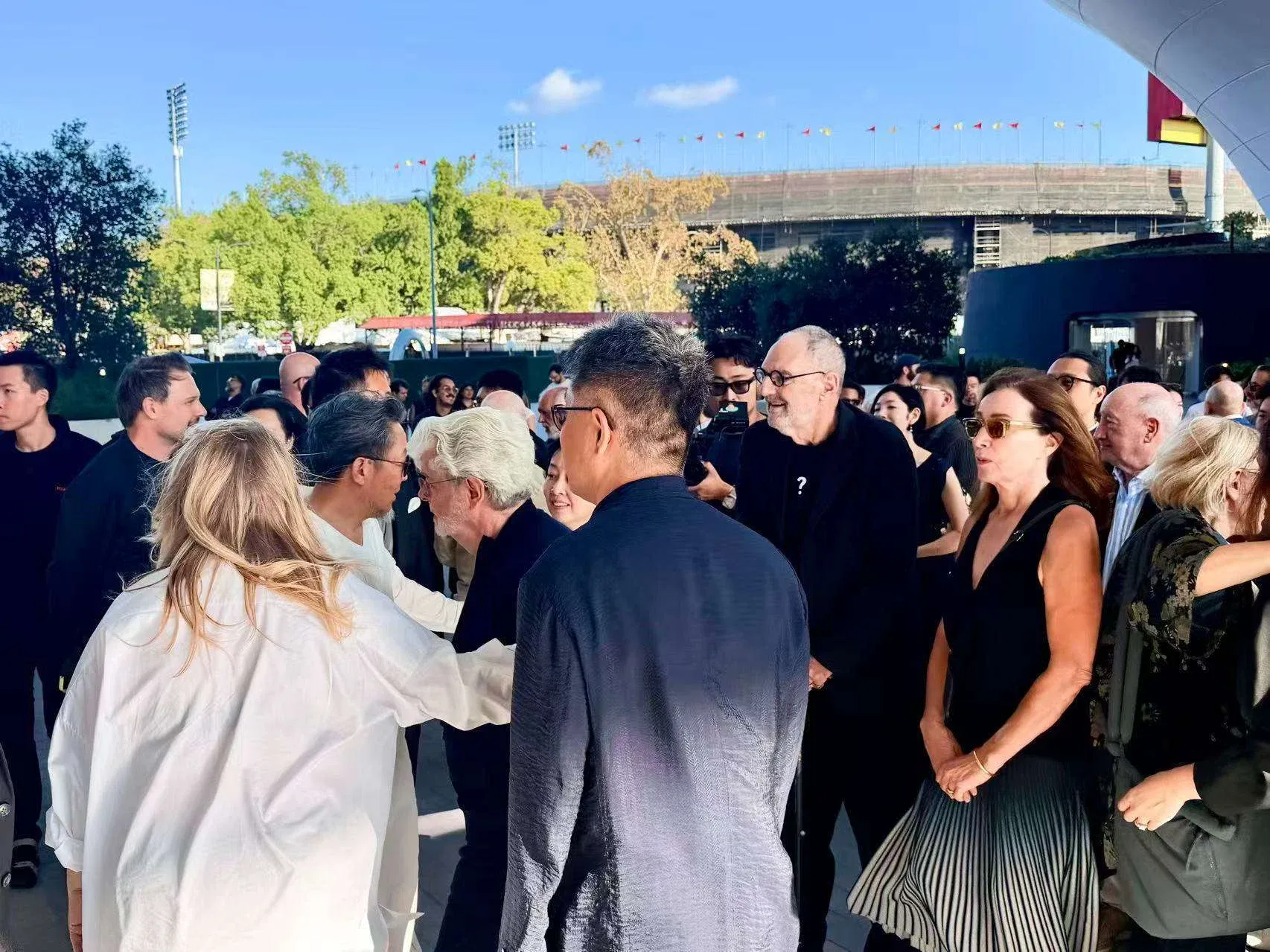
Standing inside the building, I suddenly remembered that phone call from ten years earlier.
Ten years ago, MAD gave me an opportunity to go out and see the world.
Ten years later, MAD brought me into this building.
A decade later, it felt as though I had come full circle.
An Exhibition
A Journey
A Visiting Program
Ten years ago, while I was studying architecture, three experiences had a profound effect on me.
Venice Architecture Biennale
The first was the Venice Architecture Biennale.
At the beginning of the year, I participated in a workshop organized by ADA. The resulting research was later selected for the China Pavilion at that year’s Venice Architecture Biennale.
That was also when I first realized:
Architecture is about far more than plans, elevations, and models in a design studio.
It can engage with cities, culture, art, and even an entire era.
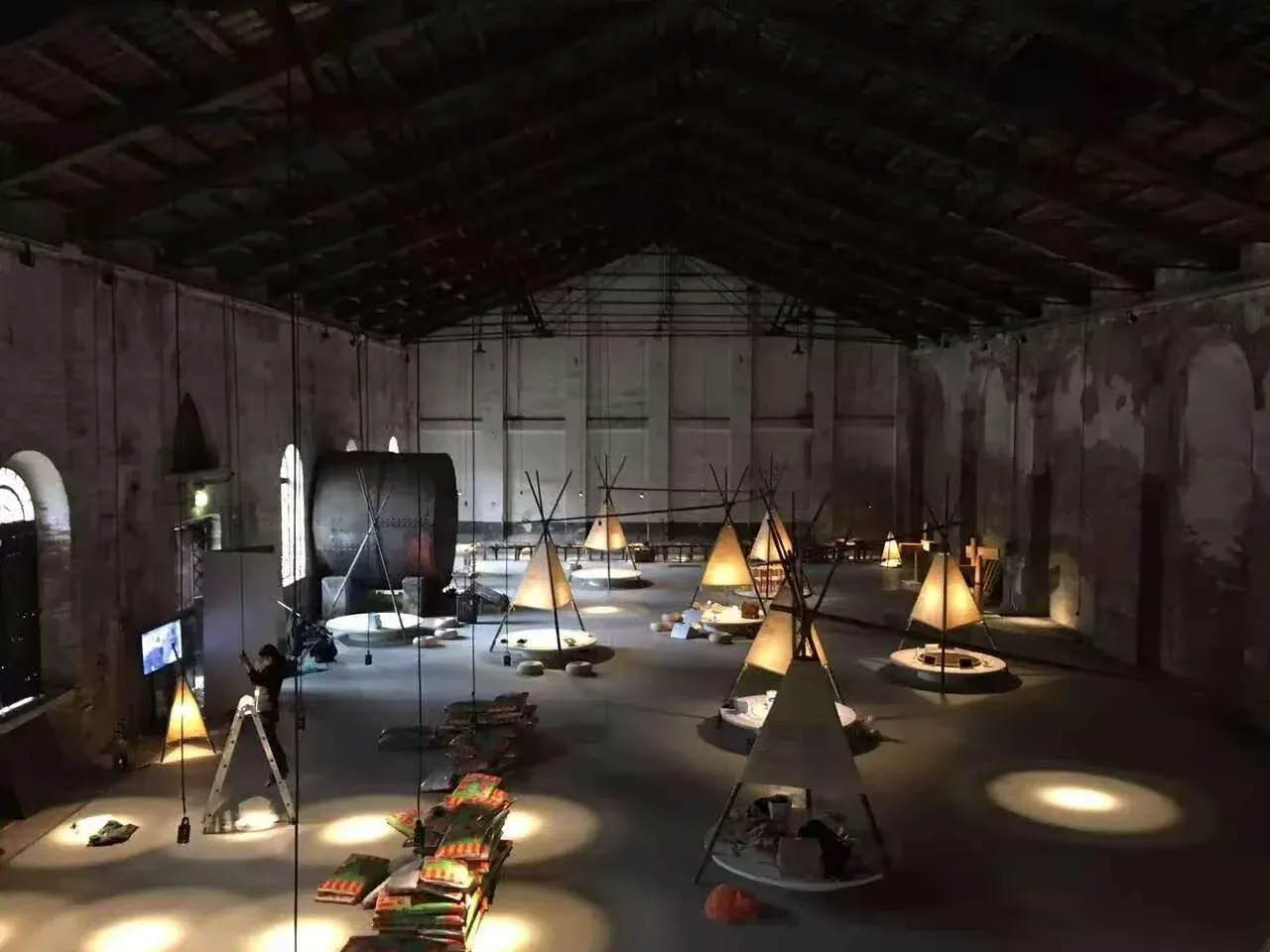
As an assistant curator, I was also responsible for some of the photography. That was how I came to document Ma and Dang inside the Venice Arsenale ten years ago.
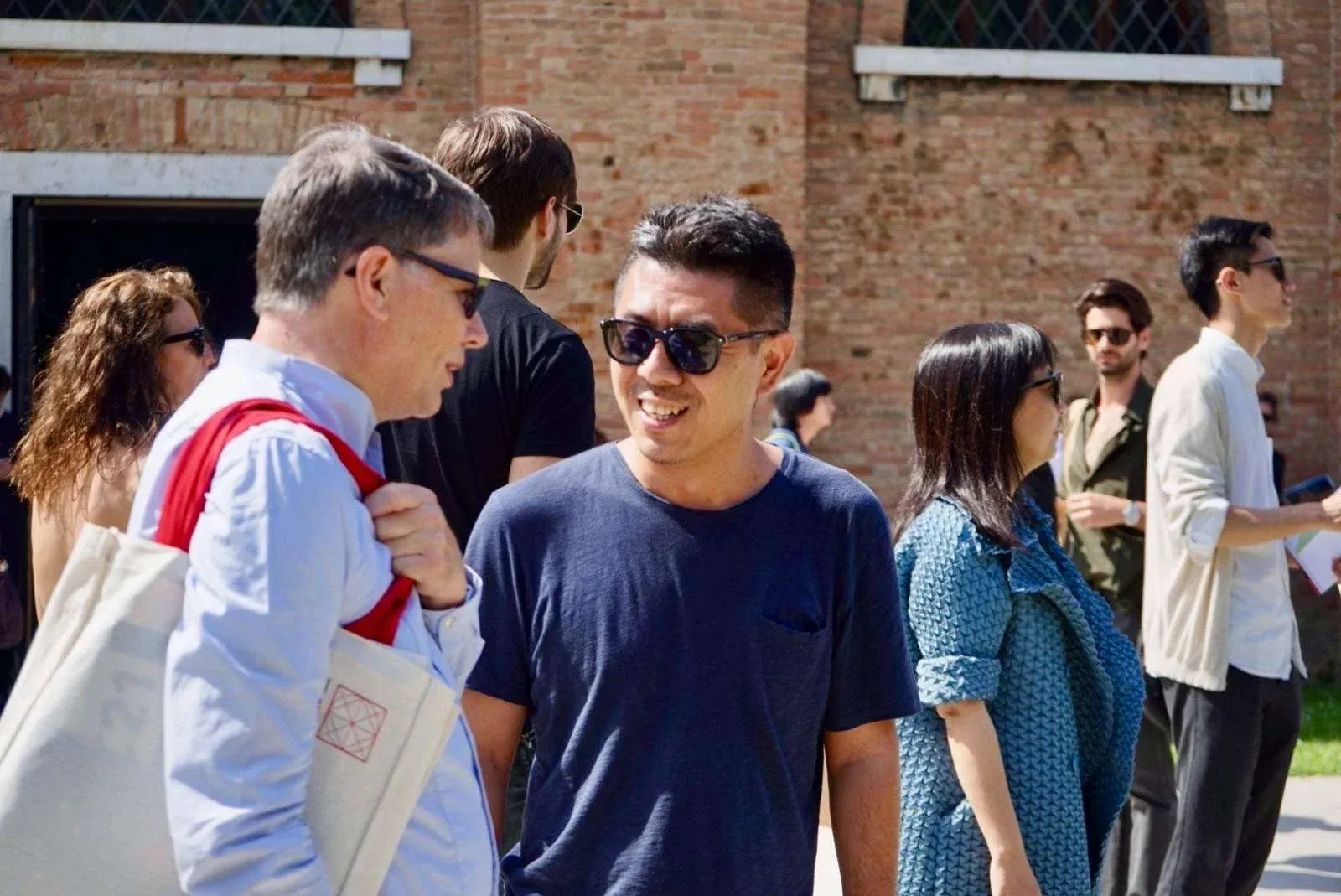
Looking at these photographs now, I am struck by how fascinating time can be.
Ten years ago, I stood behind the camera and documented them.
Ten years later, we met again in Los Angeles.
MAD Travel Fellowship
At almost the same time, I received the MAD Travel Fellowship.
My destinations were Russia, Tbilisi, and Armenia.
The subject of my research was Soviet-era Futurist architecture.
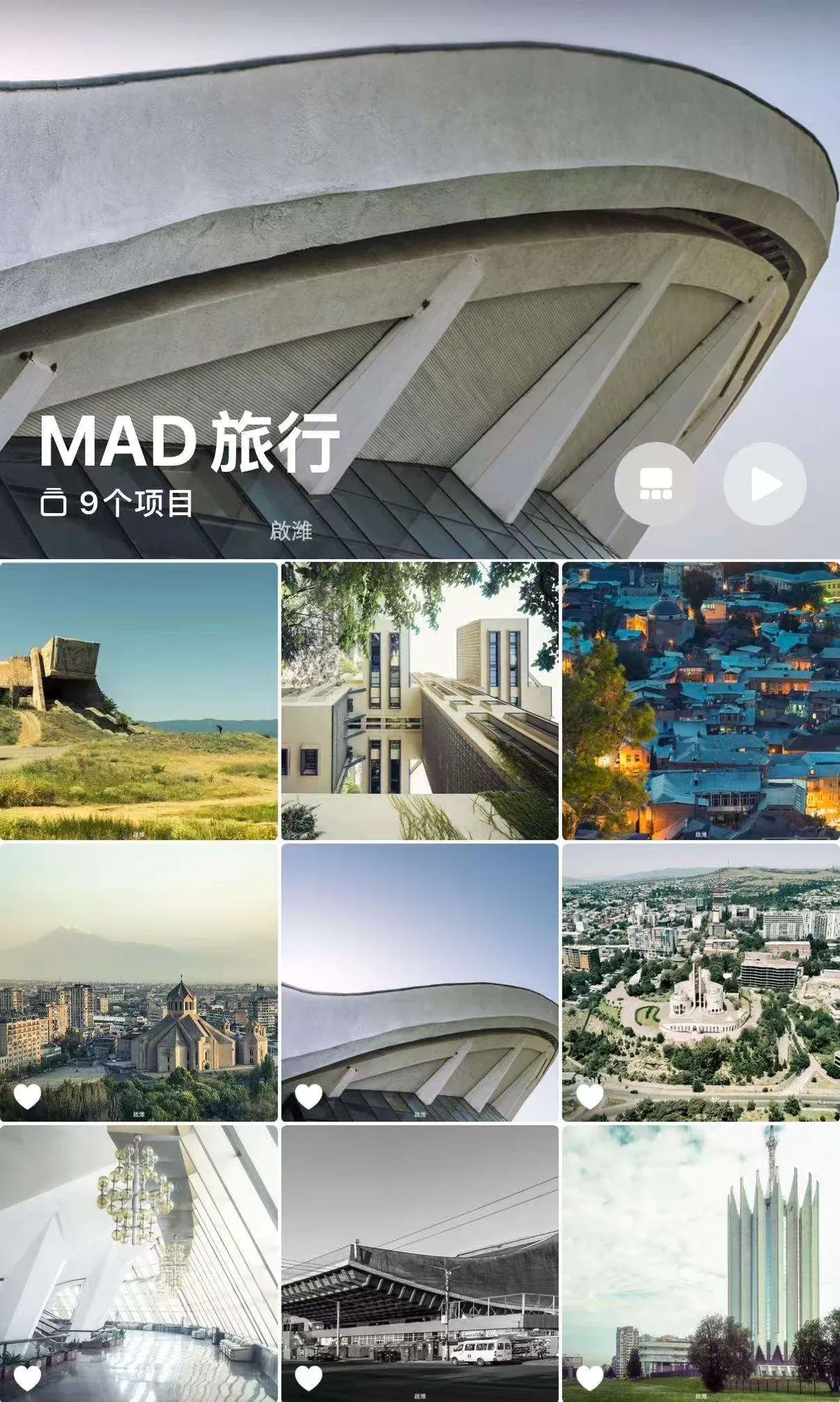
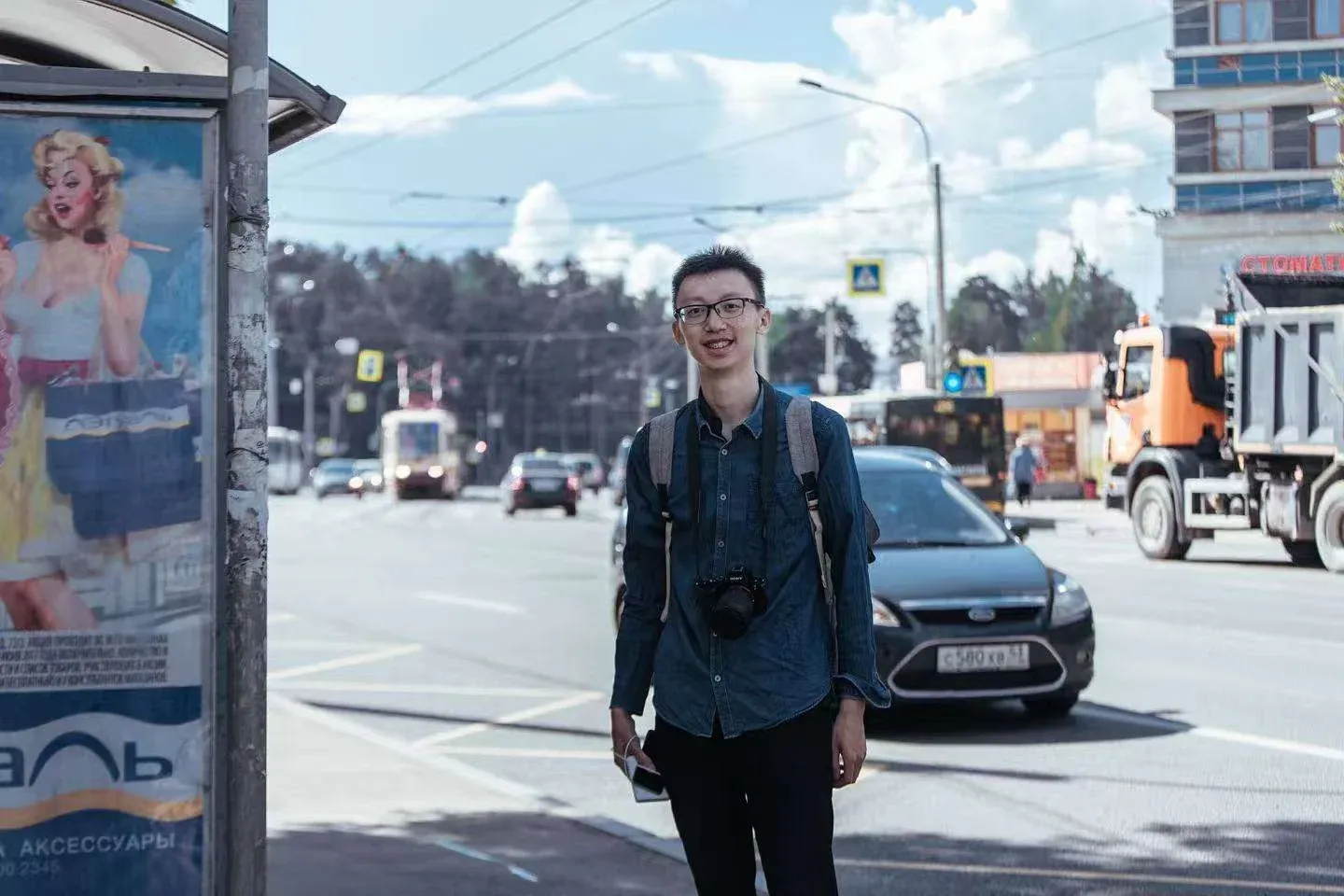
It was the first time I had truly left my familiar surroundings and traveled alone to see buildings I had previously encountered only in books and online. The experience had a profound effect on me.
If the Biennale first showed me the world beyond architecture, this journey taught me to begin understanding architecture through my own eyes.
Visiting Program at Cambridge
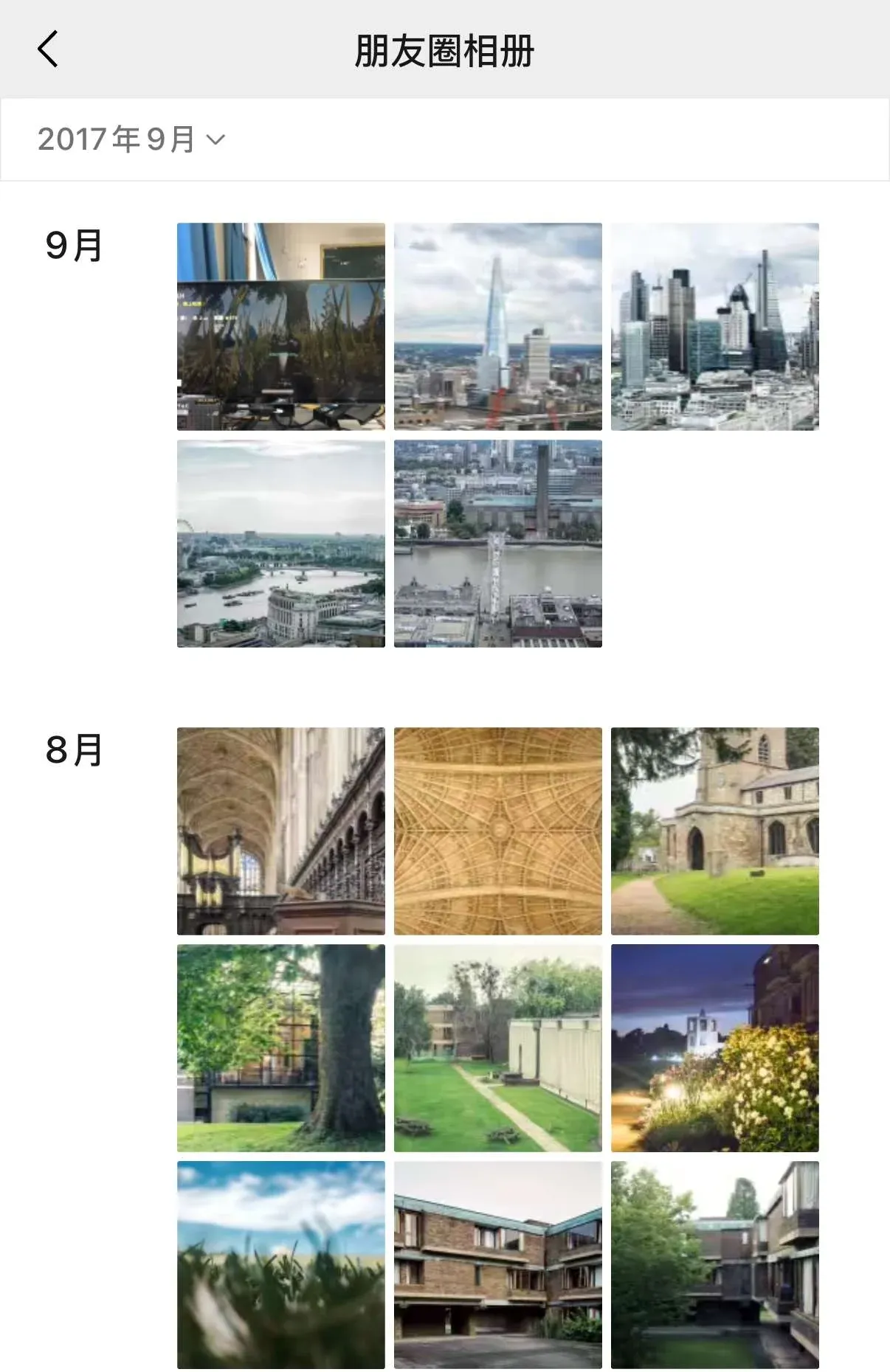
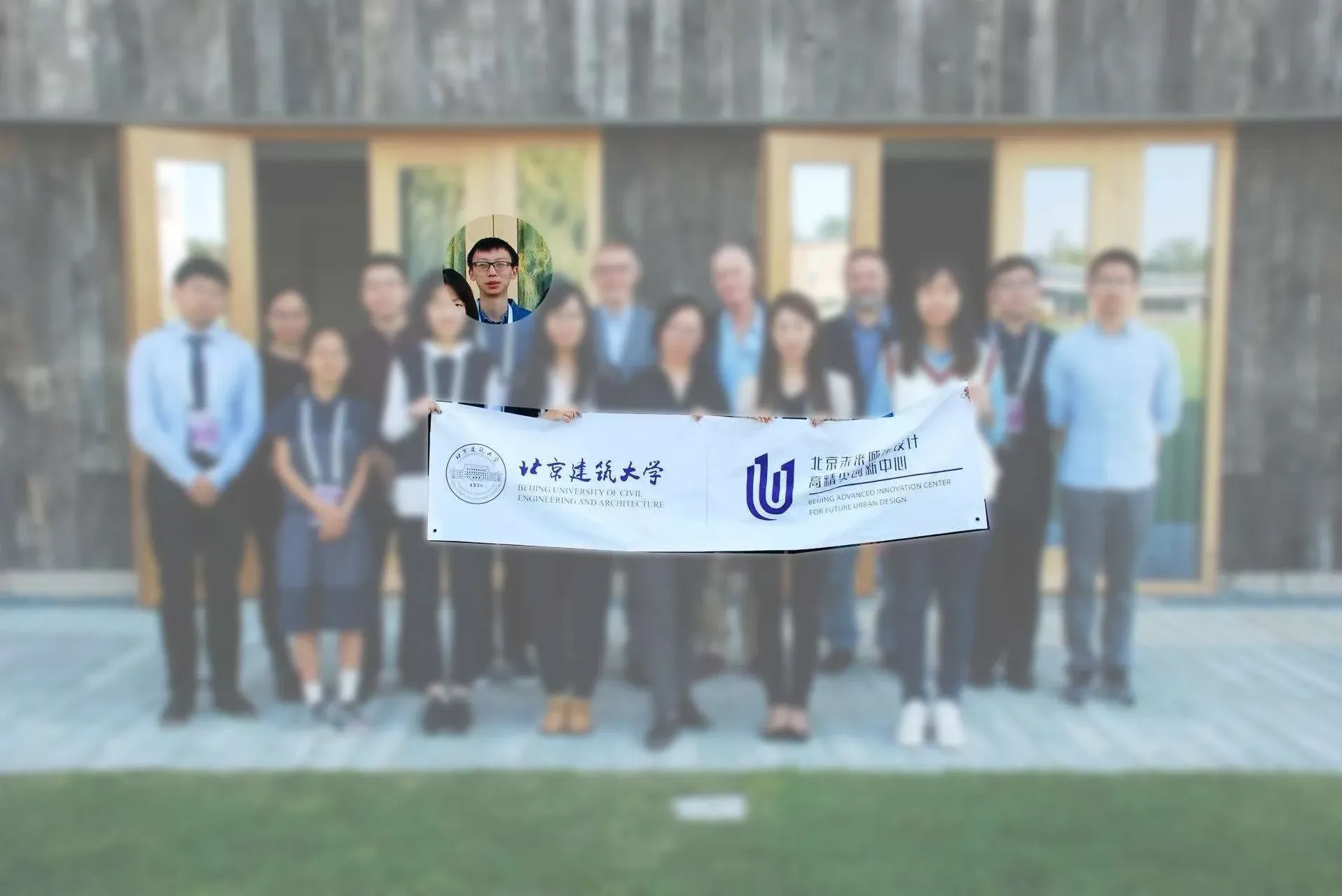
Around the same time, I was selected for a joint workshop organized by Beijing University of Civil Engineering and Architecture and the University of Cambridge.
I still remember that, at the end of my interview, Professor Ding Guanghui asked me:
“You seem quite busy. Do you still have room in your schedule to go to the UK this summer?”
I later went to Cambridge.
Churchill College was beautiful, and its campus had many gardens named after notable figures.
It was also around that time that I became increasingly certain:
I needed to continue studying architecture in a broader environment.
After Taking the TOEFL Ten Times, I Went to Berkeley
Applying to study abroad was not as smooth as my résumé might later have made it seem.
I took the TOEFL nearly ten times.
Most of the first substantial income I earned from teaching during those years went straight back into English tests and study.
In 2019, I went to UC Berkeley to study architecture and landscape architecture, ultimately completing two master’s degrees in three years.
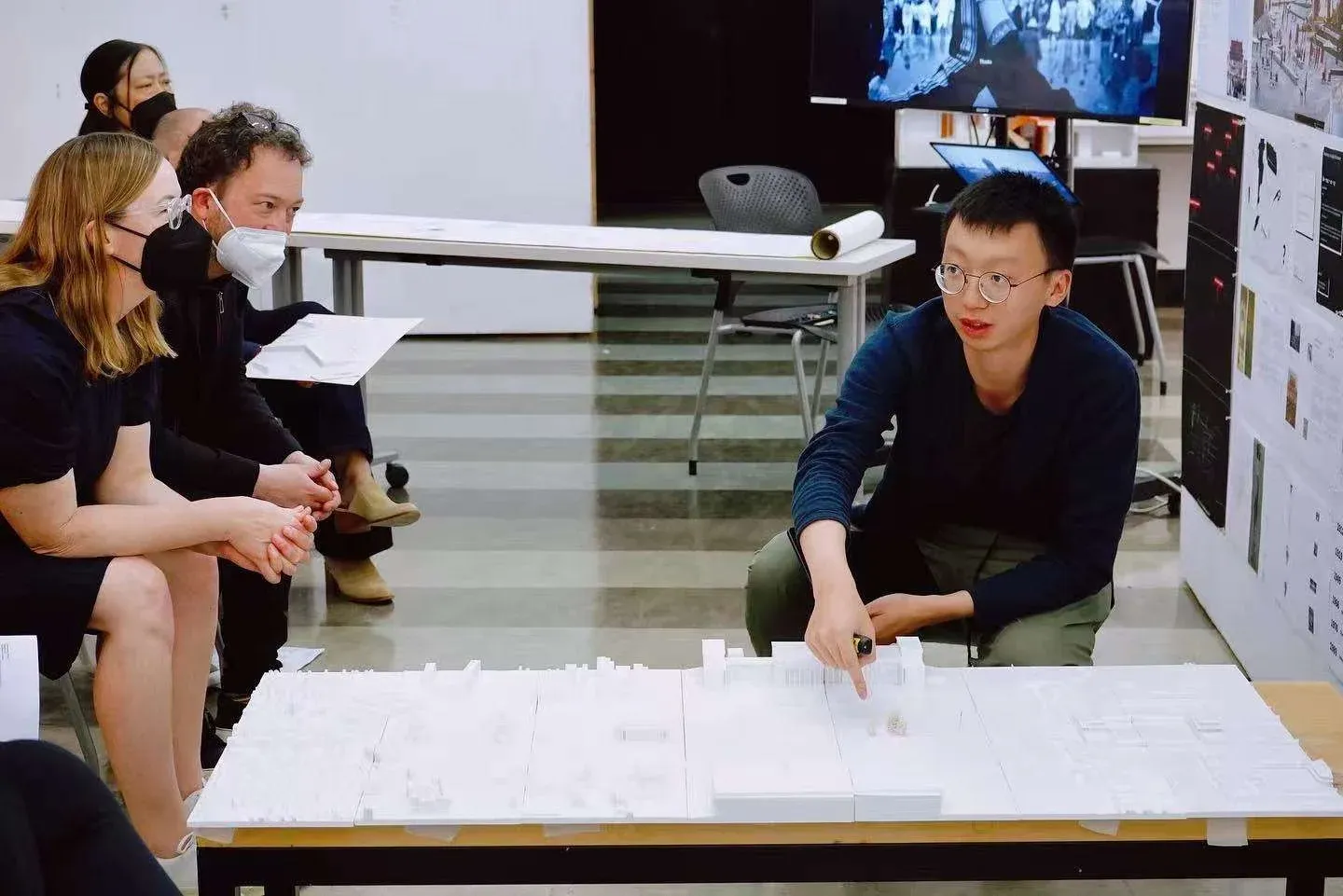
There, I studied with Walter Hood, René Davids, and other faculty members.
Over those three years, I learned to move back and forth between the scales of architecture and landscape.
During that time, I also received several design awards at Berkeley, including the Bakewell/Brown Prize and the Sandy Hirshen Prize.
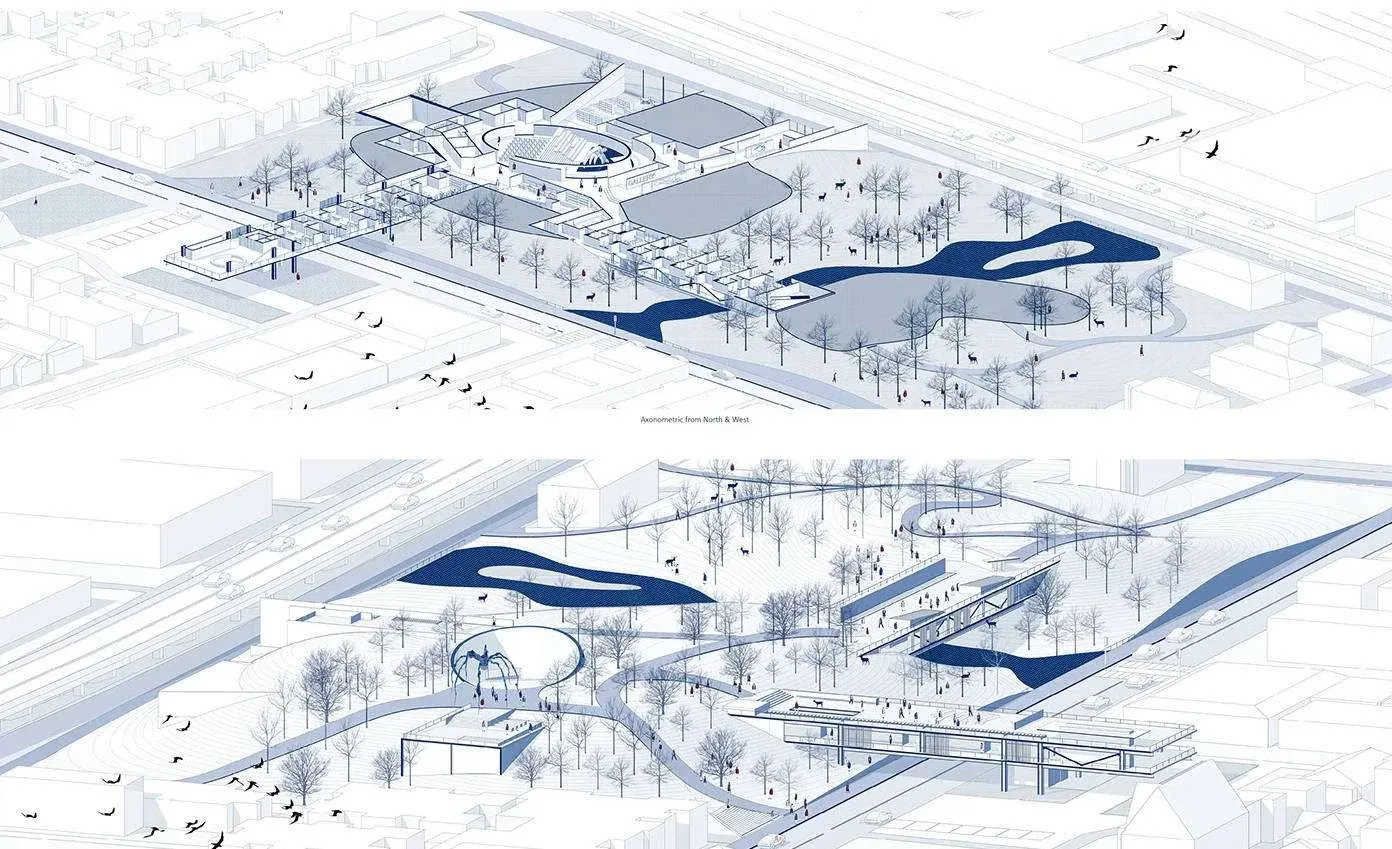
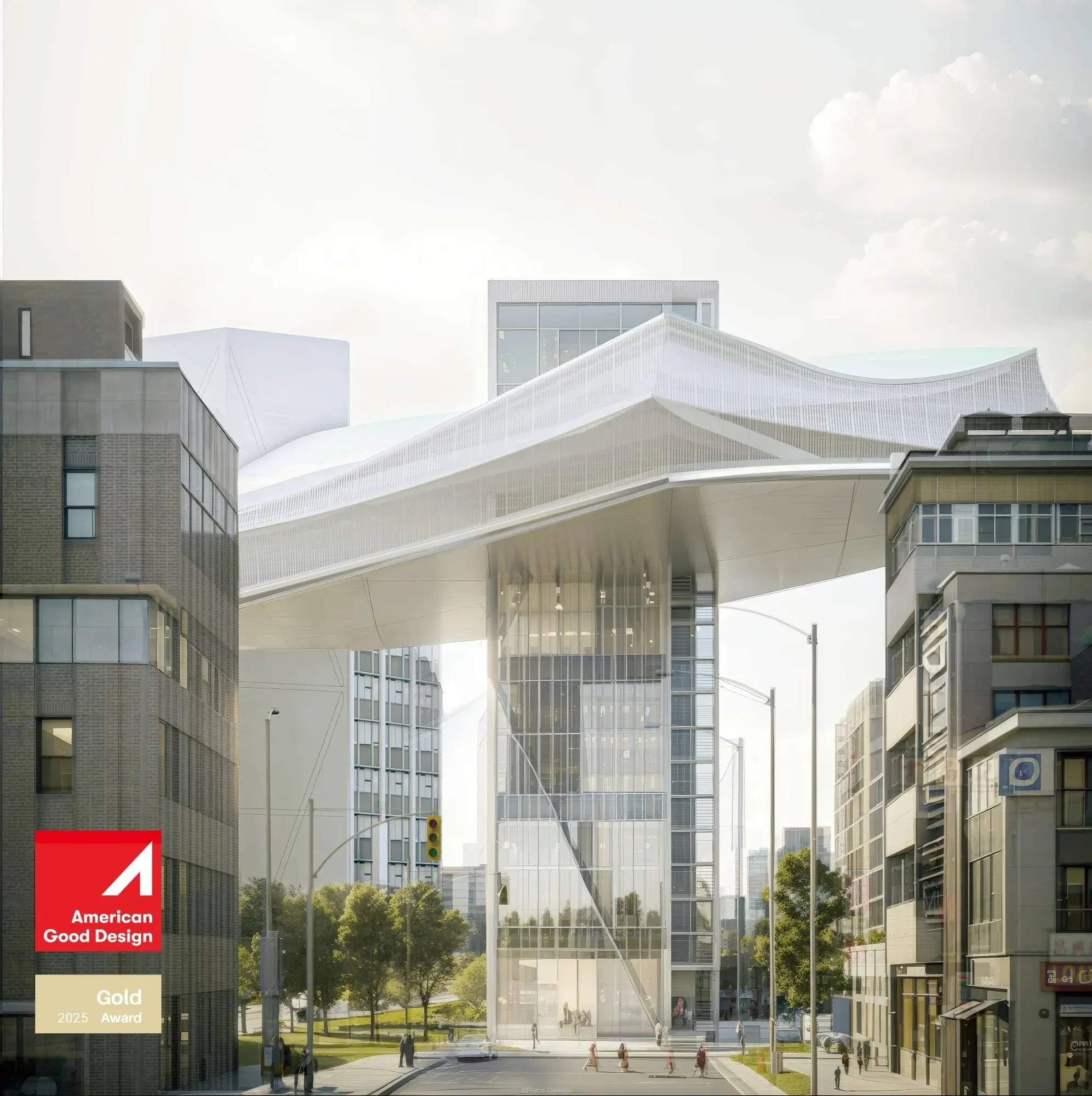
Architecture taught me to focus on space.
Landscape taught me to understand land, ecology, time, the city, and the social questions behind space.
Looking back, what truly changed me was not earning two more degrees.
It was the realization that:
Architecture has never been an isolated discipline.
From Berkeley to SOM
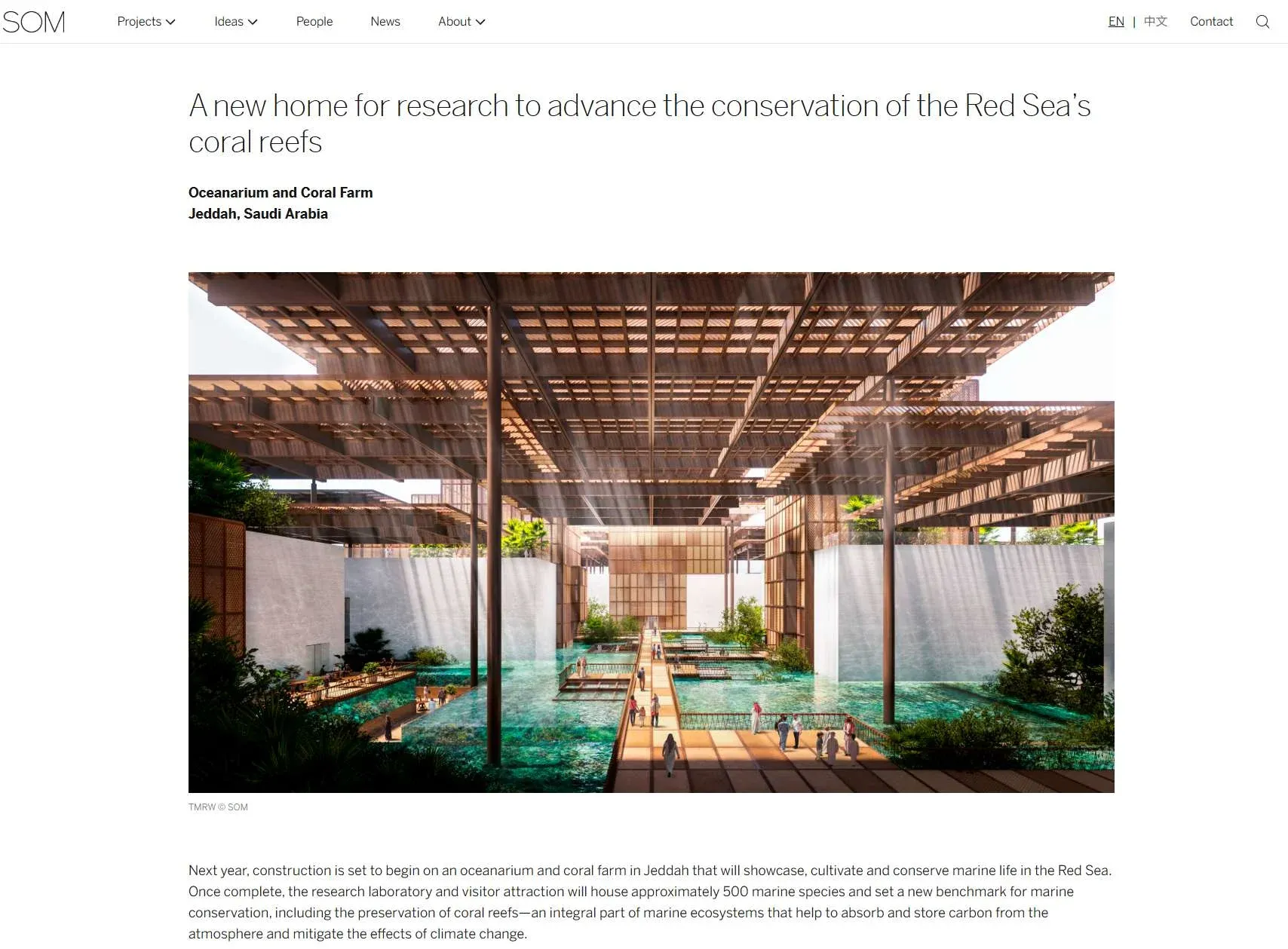
I joined SOM Chicago during graduate school as an intern. After graduation, I received a return offer and moved to Chicago.
There, I worked on urban design and large public projects while becoming deeply involved with computational design and digital workflows.
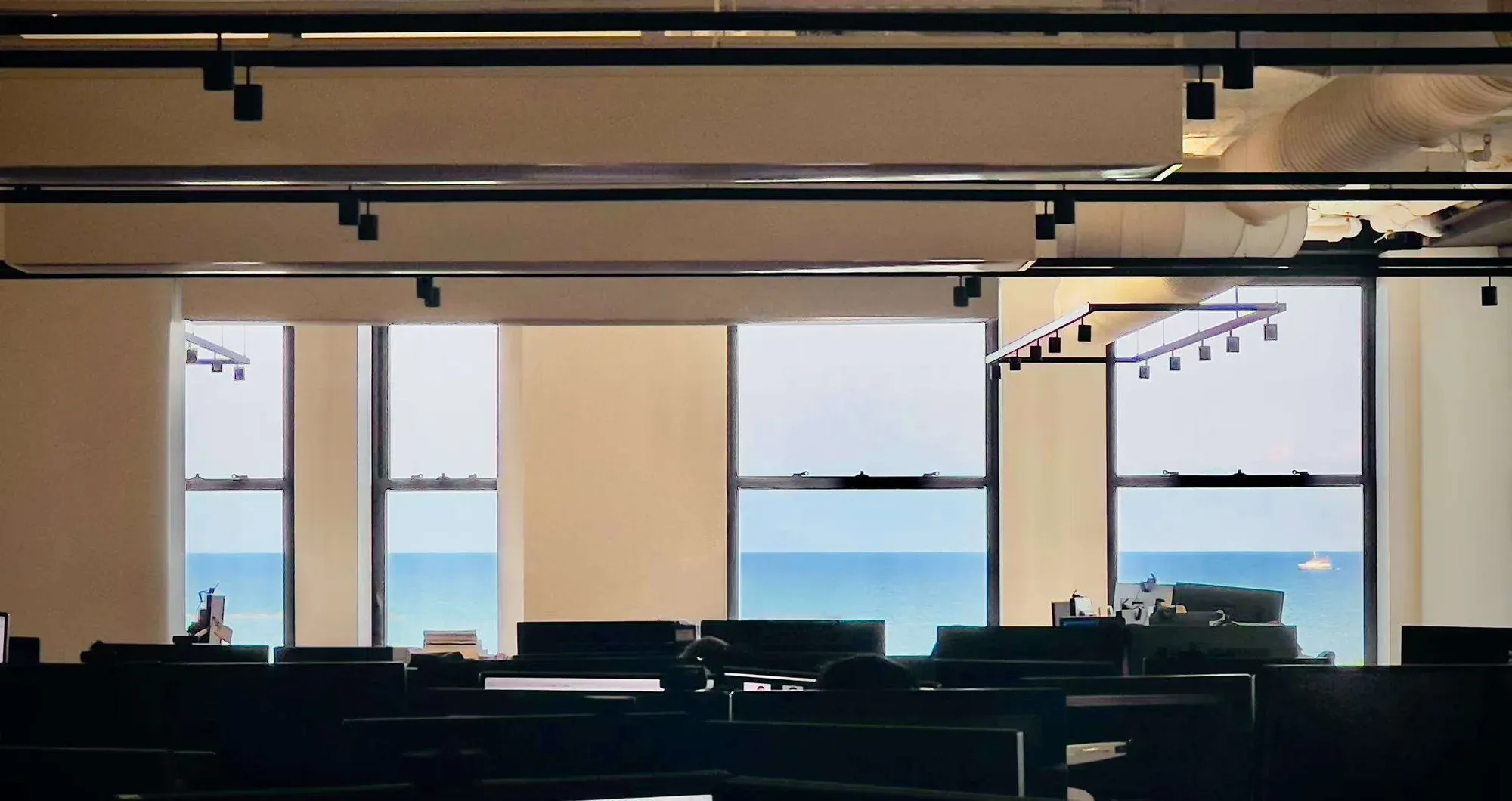
SOM was where I first truly understood:
Architecture is not the creation of one person; it is a complex system.
Design, structure, mechanical and electrical systems, consultants, costs, codes, and construction all ultimately have to come together within the same system.
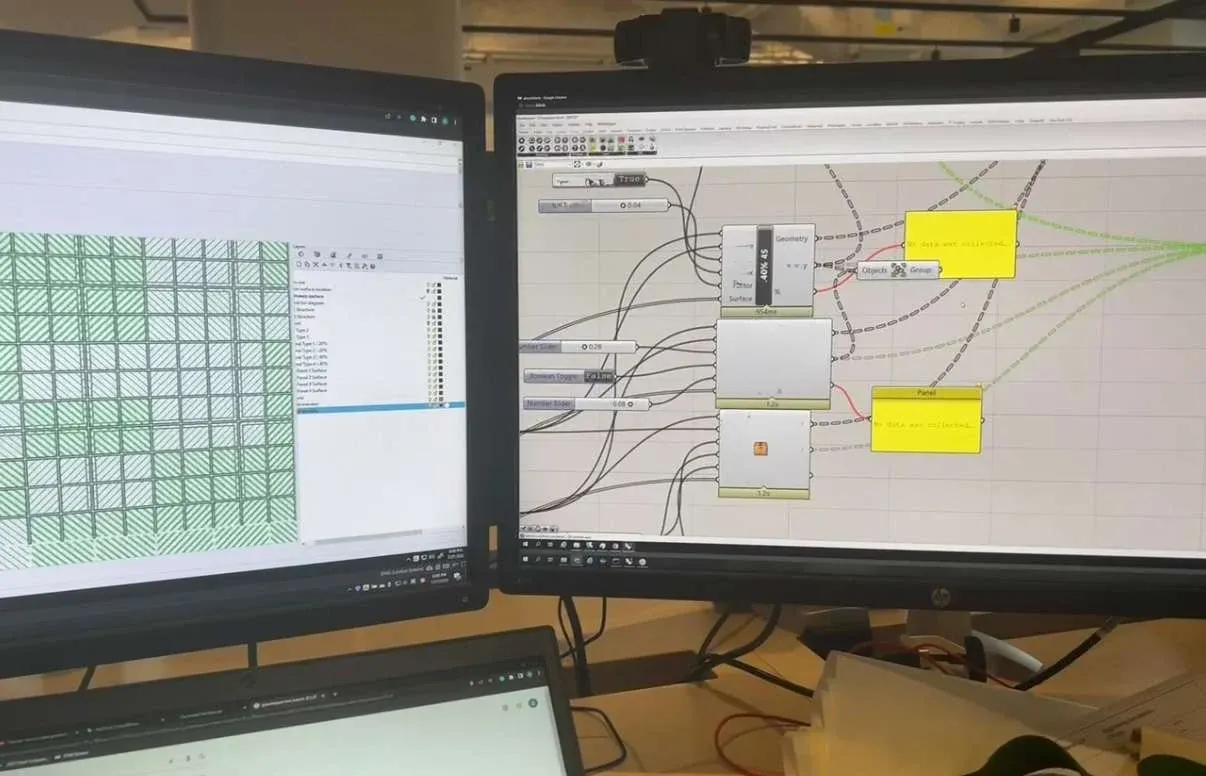
My continued research into AI, parametric design, and architectural workflows largely grew out of the questions I began asking there about how technology could be put into practice.
I had originally planned to stay at SOM, but visa issues later led me to leave SOM Chicago voluntarily. I did not, however, leave SOM’s small basketball group.
I also began to reconsider what kind of architecture I truly wanted to practice.
After Leaving SOM, I Returned to “One House”
I later moved to Los Angeles, where, through recommendations from mentors and friends, I began working in Mark’s studio.
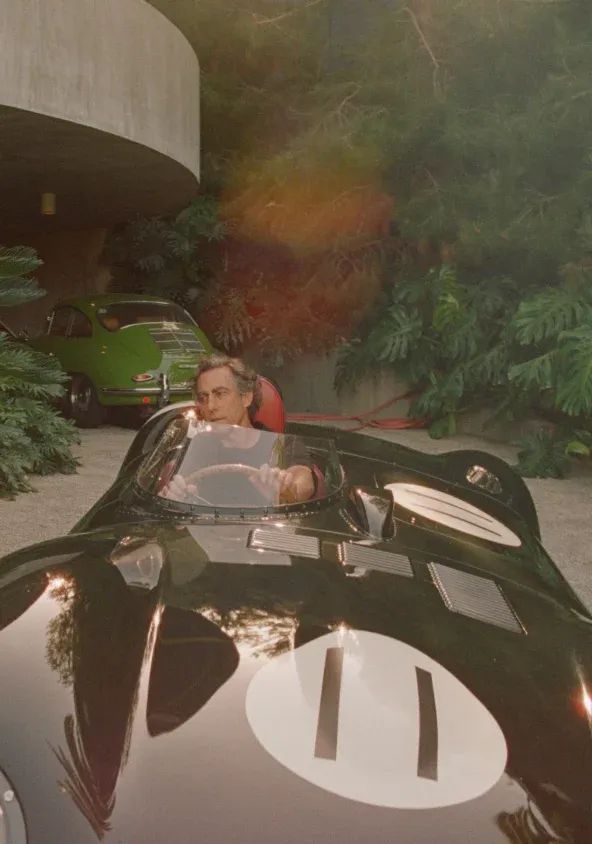
Mark is a prominent Hollywood collector who has long been involved in projects for celebrities, artists, entrepreneurs, and collectors, as well as the restoration of several important modernist houses.
My time working with Mark was enormously eye-opening.
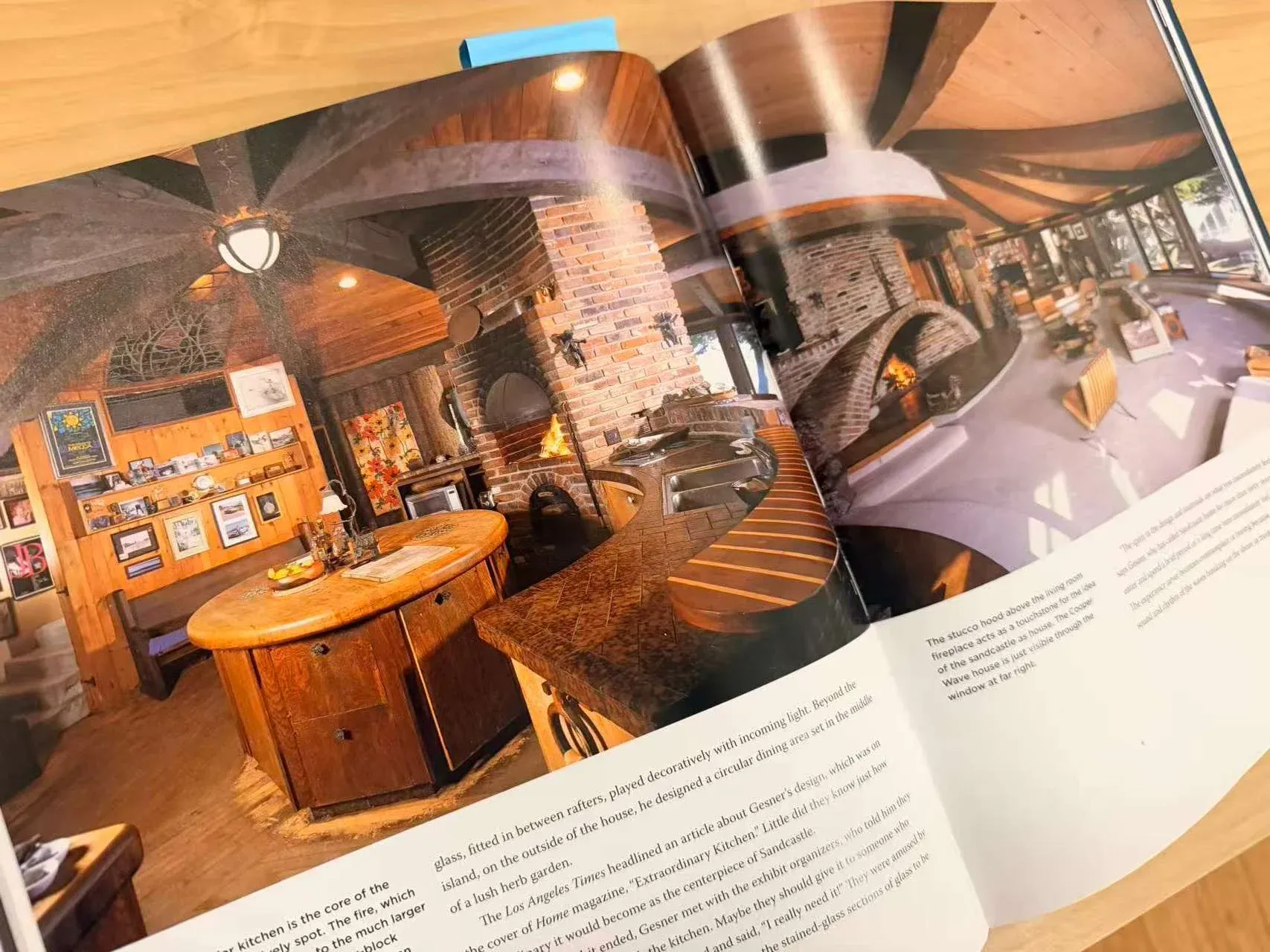
Between learning about art and collecting and taking part in the restoration of historically significant houses, many people, works, and stories I had once encountered only in books suddenly became real spaces—and part of my everyday work.
Through that process, I also began to understand how to engage with people, objects, and spaces that carry history.
At SOM, I worked at the scale of cities, public buildings, and complex large systems.
After moving to Los Angeles, I returned to the scale of a door, a piece of wood, a piece of furniture, or even a handle.
I moved from large urban projects back to materials, millwork, doors and windows, furniture, and the human scale of everyday life.
This brought me back to a very simple truth:
Architecture must ultimately be built, and it must serve specific people.
Beyond Design, I Have Always Taught
From ArchCollege and online architecture courses on rapid workflows and AI workflows to teaching graduate thesis design at Beijing Jiaotong University, I have never truly left education.
Over the years, I have also participated in AIA educational programs and served on juries for several design awards.
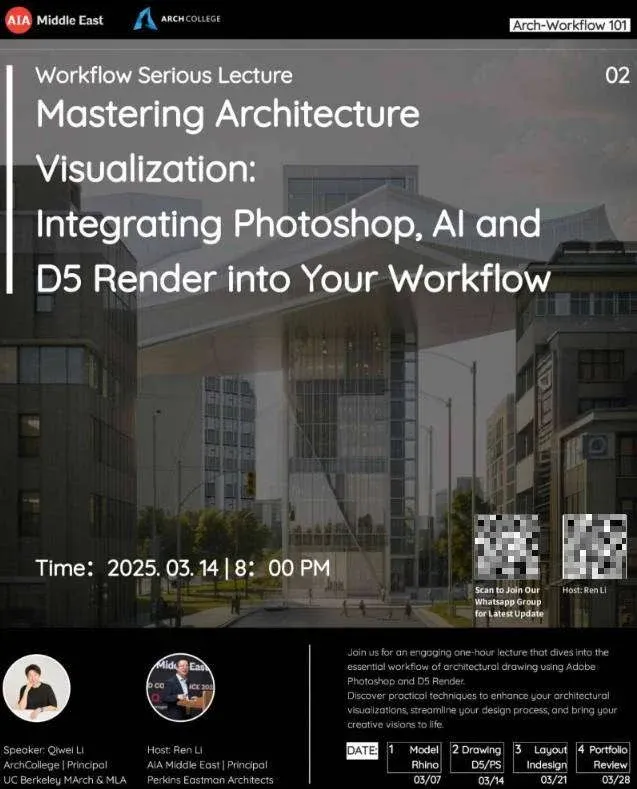
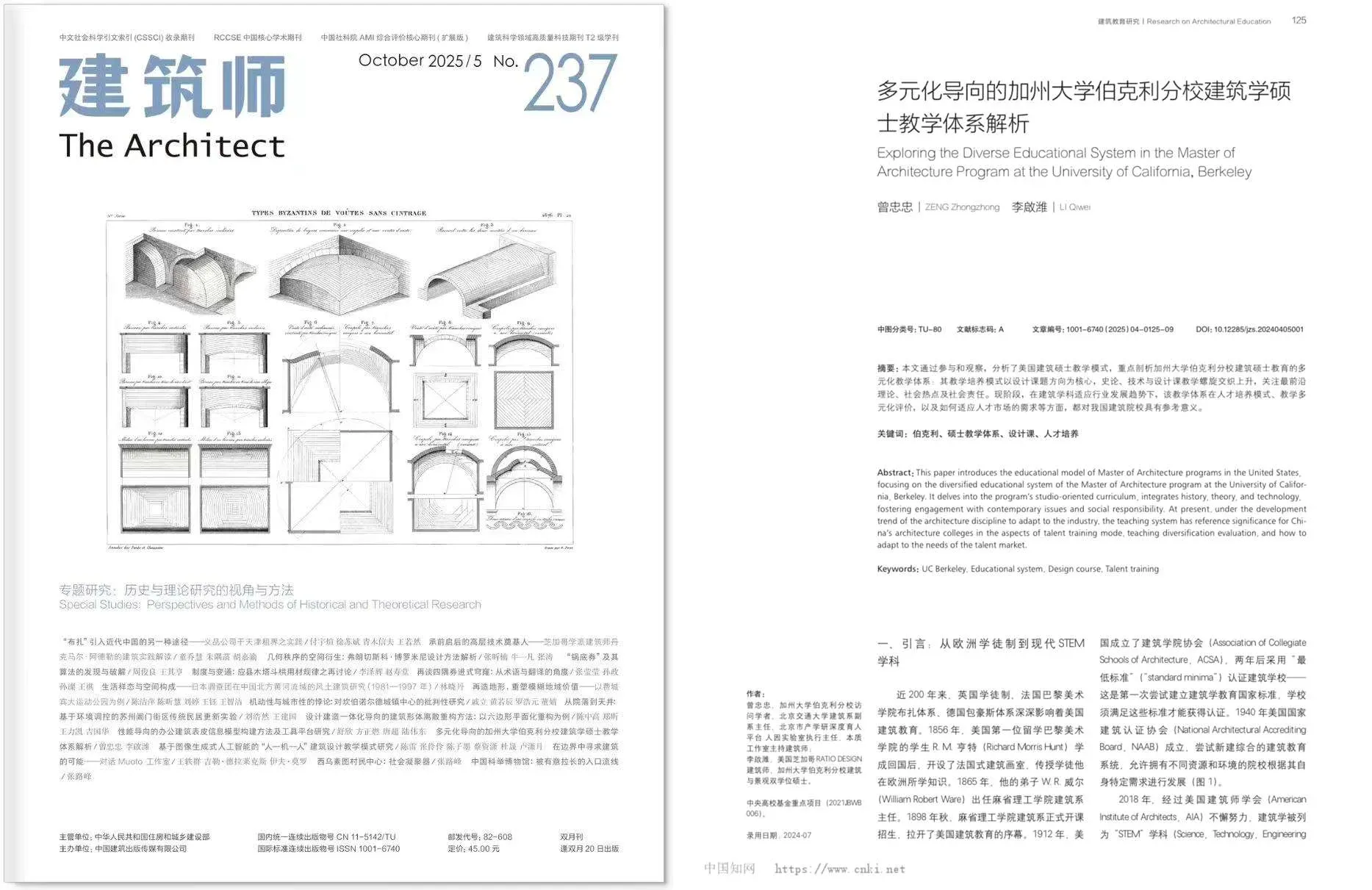

The greatest influence that teaching and jury service have had on me goes beyond simply “teaching others.”
The process forces me to reorganize work that I once completed through experience and intuition into methods that can be explained, repeated, and refined.
Over time, this also influenced how I approached design and how I built a company.
In the End, I Decided to Become the Client
Last year, my partner and I founded APLACE Design & Development in Los Angeles.
In a way, it was the point where all of these past experiences began to converge.
Beyond design, we began identifying and acquiring land, researching zoning, building development pro formas, advancing approvals, and managing construction costs and execution.
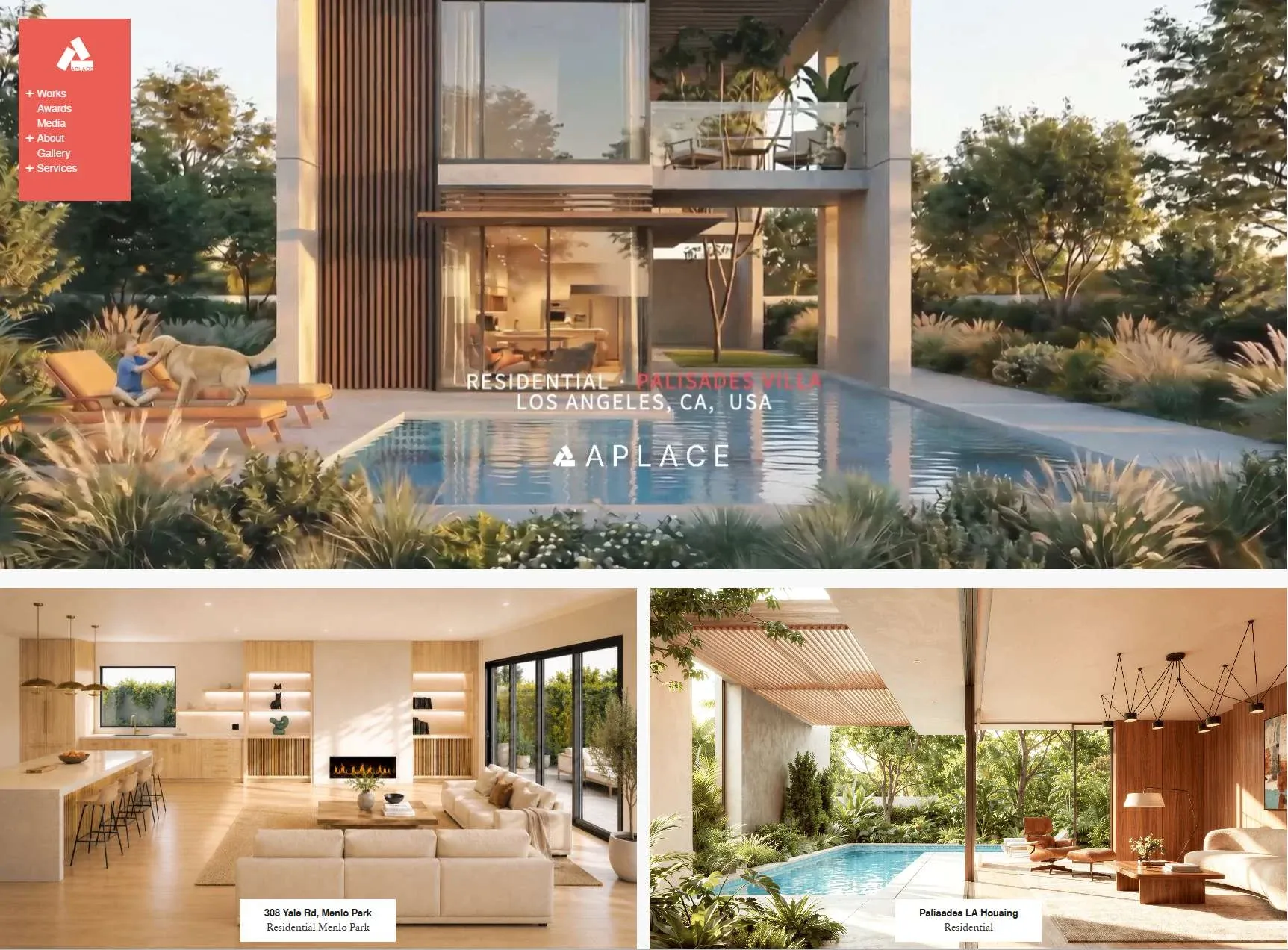
For the first time, I began looking at architecture from the position of a developer.
When you personally assume the risks of land, design fees, engineering costs, time, and the market, your understanding of design changes completely.
You begin asking yourself the same question again and again:
Is this design worth investing real money to build?
At this stage, what increasingly interests me is no longer simply “designing a building.”
It is how to bring:
design, technology, supply chains, construction, and real estate development
together within a single system.
Looking back, it seems that I have done many different things over the past decade:
architecture, landscape architecture, urban design, teaching, AI, media, entrepreneurship, and real estate development.
But increasingly, I feel that:
I am not moving farther away from architecture. I am trying to make my practice of architecture more complete.
Ten years ago, I probably would have said:
I want to become a good architect.
Today, ten years later, I am still designing.
But architecture has taken me across teaching, technology, media, entrepreneurship, and real estate development.
Looking back, all of these pursuits have really been answering the same question:
How can a good space be transformed from an idea into reality?
Ten years ago, a phone call from MAD first made me feel that architecture could take a person’s world very far.
Ten years later, on another afternoon, MAD brought me inside a major new building in Los Angeles just before it opened.
In the decade between, I went from BUCEA to Berkeley, from SOM to Los Angeles, and from design to teaching to practicing design and development myself.
It feels as though I have traveled very far.
And yet, it also feels as though I have been doing the same thing all along.
I am grateful to the teachers, colleagues, partners, and friends I have met over the past ten years.
BUCEA, MAD, Studio Zhu-Pei, Berkeley, SOM, Mark, and everyone I have worked alongside on this journey.
Over the years, I have increasingly come to admire something about Thom Mayne:
Spending a lifetime continuing to do what you truly want to do.
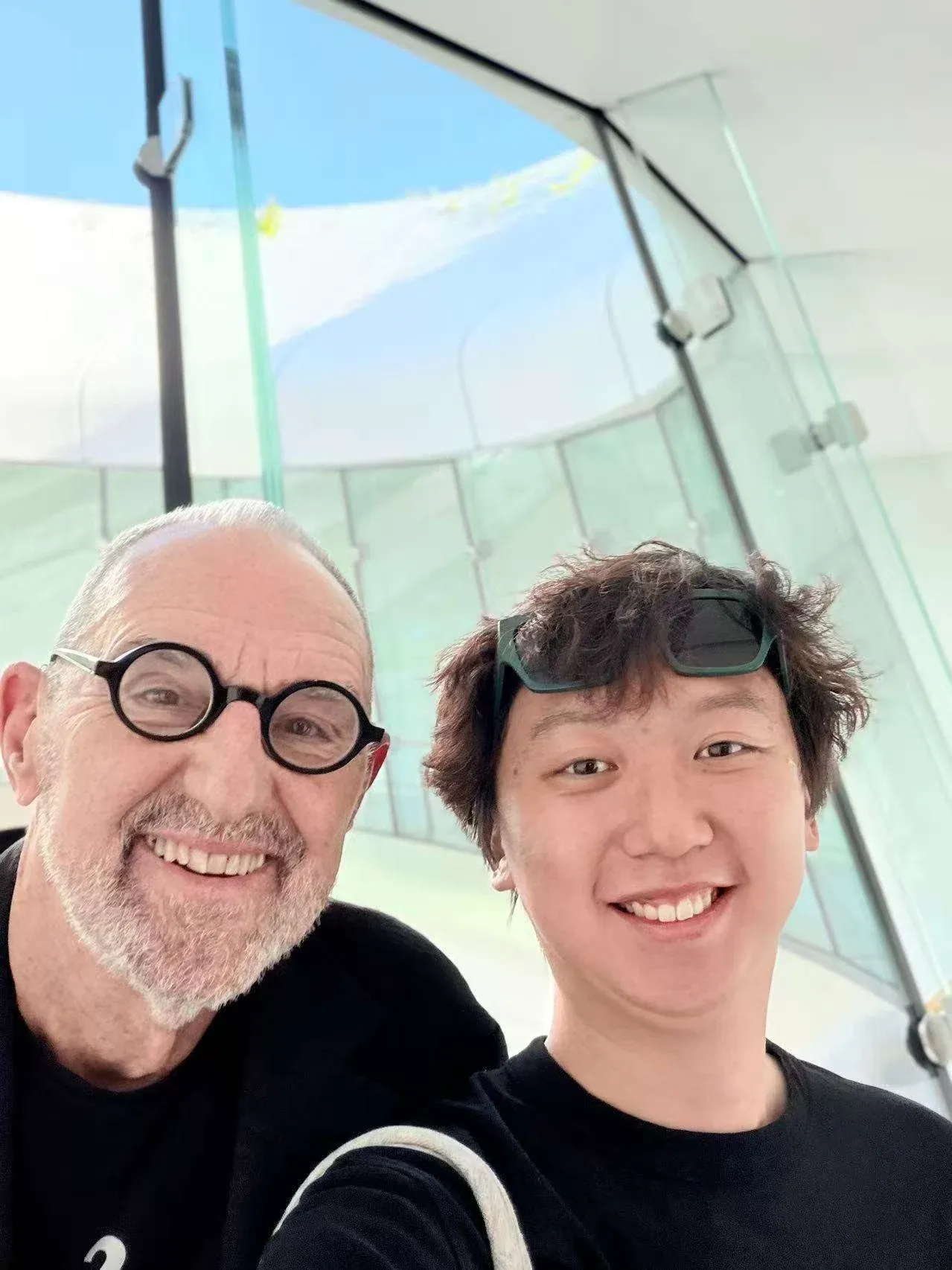
For the next ten years,
keep experimenting.
Author
Qiwei
Los Angeles, September 21, 2026